

How to Know Whether Your Online Business Idea Is Working: 7 Practical Checks
Starting an online business is one thing. Knowing whether the idea is beginning to work is another.
In the early stages, it’s easy to look at the wrong signals.
- A new website may have very little traffic.
- Your email list may still be small.
None of that automatically means the idea is bad.
Continuing for months without looking for evidence can waste time and money, though.
If you’re trying to validate a business idea, the aim is not to prove that success is guaranteed. It is to find enough real-world evidence to decide whether you should keep going, improve the idea or change direction.
This guide will show you seven practical checks without turning your first few weeks into a complicated analytics project.
Affiliate disclosure: Some links on this page may be affiliate links. If you purchase through one of these links, I may receive a commission at no additional cost to you. I only recommend products or services I believe may be useful to readers.
What It Means to Validate a Business Idea
To validate a business idea, you are checking whether the assumptions behind it matchs what real people actually need and do.
You may believe people have a particular problem.
Validation asks whether they really do.
You may believe your content, service or product is useful.
Validation looks for signs that people understand it and take a sensible next step.
This process is sometimes called market validation, idea validation or customer validation. The wording varies, but the principle is simple: replace as much guesswork as possible with evidence.
For beginners, validating business ideas doesn’t need to involve complicated research. The important thing is to test the assumptions that matter before investing more time or money.
The Australian Government’s business.gov.au guidance on market research recommends learning about customers, competitors and demand before making bigger business decisions.
You may also come across the term business model validation. In simple terms, this means checking whether the way you expect the business to create and exchange value makes sense in practice.
If you are still deciding what kind of business to start, begin with the guide to beginner-friendly online business ideas, then narrow the direction by choosing an online business niche you can explain clearly.
7 Practical Checks to Validate a Business Idea
You do not need all seven signs to look impressive at once. What you are looking for is a pattern that suggests your idea is becoming clearer and more useful rather than one number that gives you a final answer.
1. People Have a Real Problem or Question
A business idea becomes stronger when it starts with a genuine problem, need or question.
Suppose you want to build a website about simple meal planning for people who live alone. Look for evidence that people are already asking about cooking for one, reducing food waste or planning affordable meals.
You might find that evidence through search suggestions, forums, surveys, comments, customer conversations or other forms of customer feedback. If you’re trying to work out how to test if a business idea will work, these early signs can help you decide whether the problem is worth investigating further.
When you validate a business idea, this is one of the first things to check because everything else depends on it.
- Ask whether people are already looking for help,
- whether you can describe the problem clearly,
- and whether it matters enough for them to spend time solving.

2. You Can Identify the People Most Likely to Care
A broad idea often becomes more useful when you know who it is for.
“People who want to start a business” is very wide.
“Beginners who want to start a low-cost content-based online business and need plain-English guidance” is much clearer.
The better you understand the person you want to help, the easier it becomes to judge whether your idea is connecting with the right audience.
If you haven’t done this yet, work through the guide on how to identify your target audience. Don’t worry if your first audience description changes. Early customer validation should improve your understanding.
3. People Pay Attention to the Content
For a content-based online business, attention is one of the earliest useful signals.
You don’t need thousands of visitors.
- A new site may begin with a few search impressions,
- a small number of visitors,
- or a handful of email subscribers.
Look for search impressions, visitors reading useful pages, email sign-ups, replies, social clicks or repeated interest in a particular topic.
At this stage, you’re checking whether the subject and content are creating enough interest to continue testing.
A quiet beginning is normal because search traffic, trust and an audience usually take time to build.
4. People Take a Meaningful Next Step

Attention is useful, but action is stronger evidence.
A useful way to validate a business idea is to give people a reasonable next step and see whether some of them take it.
That might mean joining your email list, downloading a checklist, replying to an email, requesting information, joining a waiting list or buying a small product or service.
The right action depends on your business model. Choose one next step that makes sense and watch whether the right people respond.
This distinction matters.
Someone visiting a page tells you that they arrived.
Someone subscribing, replying, enquiring or buying tells you that they found enough value to do something about it.
5. The Same Topics Keep Attracting Interest
As you publish more content or talk to more potential customers, patterns usually appear.
Perhaps one article receives more search impressions, people repeatedly ask about one part of your service, or one email topic produces more replies.
Don’t chase every small fluctuation. Look for repeated signals over several weeks or months.
Your 90-day business action plan can help because it gives you a sensible period in which to publish, observe and review instead of changing direction after every result.
This is particularly useful for content websites.
One article receiving a few impressions doesn’t tell you very much. Several related articles beginning to attract searches around the same problem tells you considerably more.
6. People Show Some Willingness to Exchange Value
Eventually, an online business has to create value that people are willing to exchange something for.
That exchange may be money, but smaller commitments can appear first.
Someone may give you their email address because a checklist is useful. They may request a quote or click a recommendation because it appears relevant.
Those actions are not the same as revenue, but they are stronger than compliments.
A friend saying, “That sounds like a great idea,” is pleasant. It is not market validation.
Someone outside your immediate circle choosing to subscribe, enquire or buy is more meaningful because they have made a real commitment.
That doesn’t mean you should dismiss positive feedback. Just recognise the difference between encouragement and evidence.
7. You Can See What to Improve Next
A useful idea does not have to work perfectly in its first version.
Your testing may show that the audience is right but your message is vague.
- The topic may attract interest, but the call to action is unclear.
- Your content may be useful, but not enough people are finding it yet.
These are different problems, and they need different responses.
This is where a clear online value proposition helps. When you can explain who you help, what problem you address and what useful result you support, it becomes easier to decide whether the problem is the idea itself or the way you are presenting it.
Validation isn’t simply about deciding whether something is “good” or “bad.”
It should help you work out what to improve next.
What Should You Measure in the Early Stages?
Revenue matters, but in a new content-based business it may arrive later than other useful evidence.
Early measurements can include:
- search impressions;
- website visitors;
- email subscribers;
- email replies and clicks;
- enquiries;
- downloads;
- affiliate-link clicks;
- sales when they begin; and
- topics that repeatedly attract attention.
Choose a small number that fit your business.
For a blog, search impressions, visitors and email sign-ups may be useful early measures. For a service business, enquiries and conversations may matter more.
The purpose of measurement isn’t to make the business look busy. It’s to help you validate a business idea by showing whether the right people are taking an interest and what they do next.
How Long Should You Give an Online Business Idea?

There isn’t one correct timetable because business models develop at different speeds.
A freelance service can get feedback quickly through direct conversations. A new content website may take longer because it first needs useful content, search visibility and an audience.
You cannot validate a business idea in a weekend simply because the first post received little traffic.
On the other hand, “it takes time” shouldn’t become an excuse to ignore evidence forever.
Set a review point.
Ninety days can be a useful first period for a beginner because it is long enough to complete meaningful work and short enough to encourage a proper review.
At that point, ask what changed, what people responded to and what deserves another period of focused testing.
When Should You Change the Idea?
Changing direction makes sense when the evidence consistently shows that an important assumption is wrong and sensible improvements aren’t changing the result.
- Perhaps the problem matters less than expected,
- the audience is too narrow
- or the offer doesn’t solve the problem well enough.
That is different from changing direction because a new website has had a quiet month.
One common online business mistake is switching ideas too quickly. The sensible middle ground is to test, review and make changes for a reason.
Sometimes the idea isn’t the problem.
You may simply need more traffic, clearer content, a better offer or a little more time before you have enough information to judge properly.
A Simple Monthly Validation Check
Once a month, write down answers to five questions:
- What did people show the most interest in?
- What meaningful actions did they take?
- Which assumptions now look stronger?
- Which assumptions look weaker?
- What is one change I should test next?
Keep the answers short.
Over time, this gives you a record of what is actually happening instead of relying on how the business happens to feel that day.
Want a More Structured Beginner Path?
If you’d like more structured help putting the pieces of an online business together, you can explore CB Profit Club and decide whether the training suits where you are now.
The aim isn’t to find a shortcut. It’s to understand the foundations, apply them and gather enough evidence to make better decisions as you go.
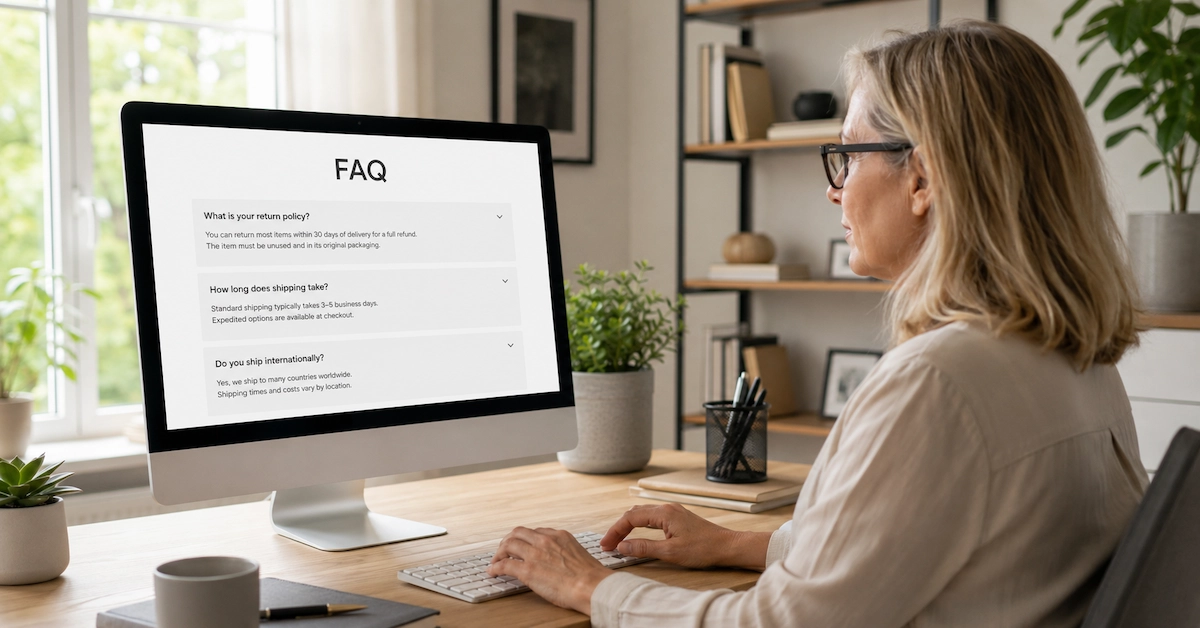
Frequently Asked Questions
Can You Validate a Business Idea Without Making Sales?
Yes. Sales are strong evidence, but they aren’t the only useful signal in the early stages. Customer conversations, search demand, email sign-ups, enquiries, clicks and downloads can all tell you something. The important thing is to move beyond opinions and look for behaviour. Over time, however, a commercial business does need evidence that people are willing to pay or generate revenue in a way that fits the model.
What Is the Difference Between Market Validation and Customer Validation?
Market validation asks whether there appears to be enough demand for the problem, product or service in a wider market. Customer validation looks more closely at whether real people in your intended audience understand the offer and respond to it. For a beginner, keep it practical: research the market, talk to potential customers, test something useful and compare your assumptions with what people actually do.
How Do I Know If My Online Business Idea Is Failing?
Look for a consistent pattern. If the right people show little interest, nobody takes meaningful next steps and there is little evidence of demand even after sensible improvements, the idea may need changing. One weak result doesn’t mean the idea is failing. Before abandoning it, separate an idea problem from a traffic problem. A useful offer cannot produce much evidence if almost nobody has seen it.
Can I Validate a Business Idea With a Small Audience?
Yes. A small but relevant audience can be more useful than a large, uninterested one. Ten conversations with people who genuinely have the problem can teach you more than hundreds of random social-media views. Online, a small number of targeted visitors who subscribe, reply or enquire may be a better sign than broad traffic with no action.
What Is the Best Way to Validate a Business Idea Online?
The best approach is usually a combination of research and a small real-world test. Check whether people are searching or asking about the problem, identify the audience, create a simple useful piece of content or offer, and give people a clear next step. Then review what they actually do. The aim is to collect several useful pieces of evidence rather than look for one perfect test.

Final Thoughts
It’s natural to want a simple answer to the question, “Is my online business idea working?”
Usually, the answer appears gradually through the questions people ask, the content they read, the searches that find you, the emails they respond to and the actions they take.
If you want to validate a business idea, don’t wait for one dramatic result. Look for a pattern of useful evidence.
- Start with the problem.
- Make sure you understand the audience.
- Put something helpful in front of real people.
- Give them a sensible next step.
- Then review what happened.
If you’re still building the wider foundation, the Online Business Foundation guide will help you connect your idea, audience, website, content and next steps without trying to build everything at once.
One sensible step is enough for now: choose the single assumption you’re least certain about and test that next.
Continue Your Online Business Journey
Explore more resources to help you build and grow your online business.
Recommended Reading
New Here?
Start with the beginner roadmap and learn the fundamentals of affiliate marketing and online business.
Start HereReady For The Next Step?
Discover the complete system I use to build and grow an online business.
Join Profit Club